Dreams as Autobiography


The Norse legends as told in the Poetic Edda rely a lot on dreams, especially the wonderful Völuspá and quite literally in Baldrs draumar. After Ragnarök there is a chessboard on the green grass and Níðhöggr the dragon appears overhead, bearing corpses in his wings, and then the Völva emerges from her trance. We all wake up from our dream.
In one sense it's obvious. Of course dreams are autobiographical in the sense that we all own the crazy and surreal collages we call our dreams. But in another sense it's not so obvious. Do dreams reveal that our deepest emotions are similar to other people's (Freud)? Do they can tap into some sort of collective experience (Jung)? Do they mock the reason and rationality that govern the daytime (Goya, Picasso, Dalí, Einstein)? Are they for the consolidation of memory (modern science)?


What are these? Answers at bottom.
My sense is that dreams and nightmares are just a form of exercise. Mentally instead of physically. They are very similar to our waking-hour thoughts and feelings, differentiated only by the intrusion of objective reality. Jung thought his nightmares in 1913 tapped into a collective unconscious foretelling the catastrophe of World War I and Einstein famously thought of relativity in a dream. I'm not sure I buy these explanations. Unless, of course, they were willing to concede that the difference between the waking life and the dreaming life is a very fine line - the idea of pinching yourself that you're "really" in "reality." Jorge Luis Borges once wrote "While we are asleep in this world, we are awake in another one." All great art, literature and music comes from that crossover into dreams, hence the term daydreaming.
A better question is: do we always notice?
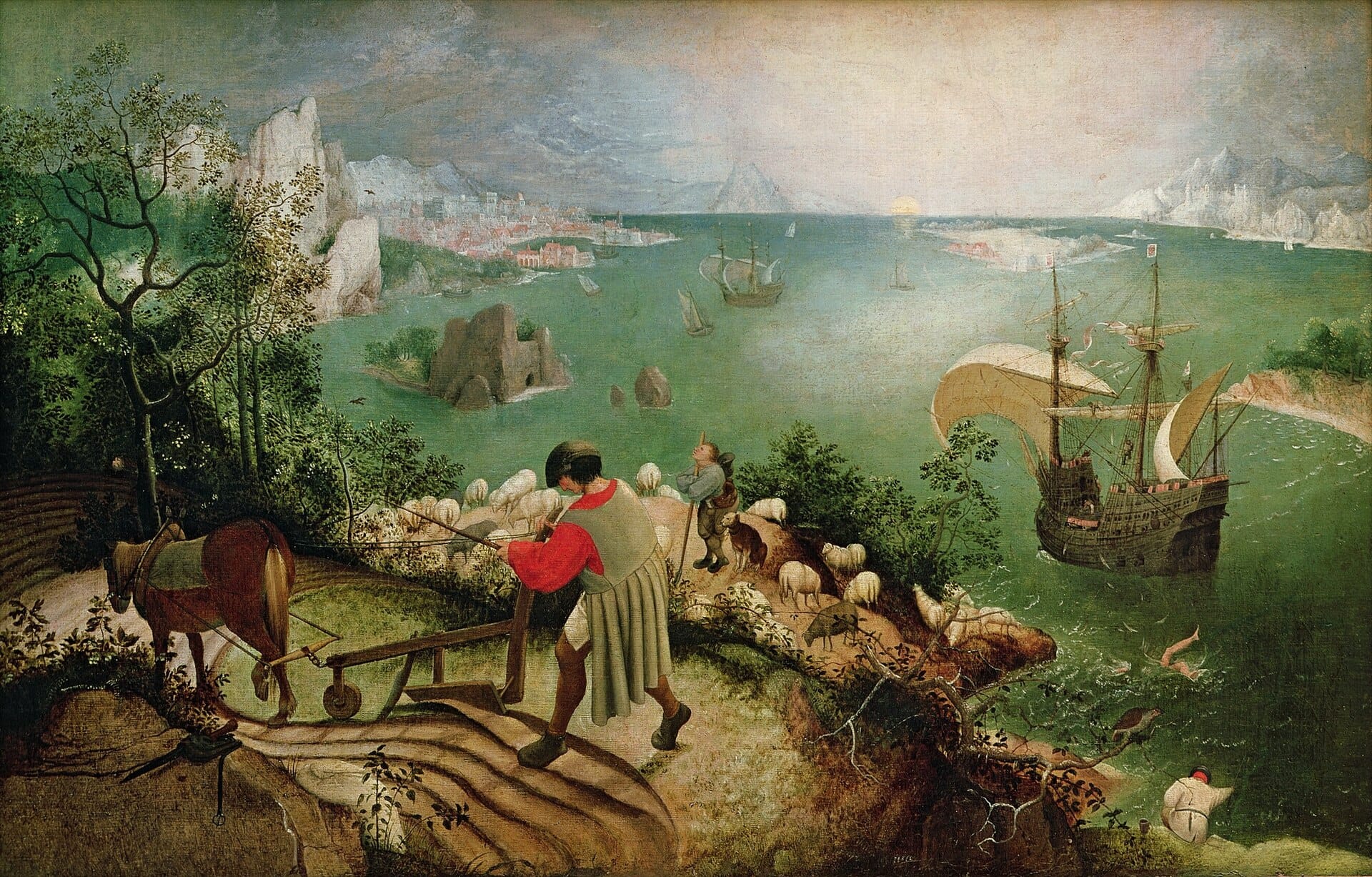
No, we don't.
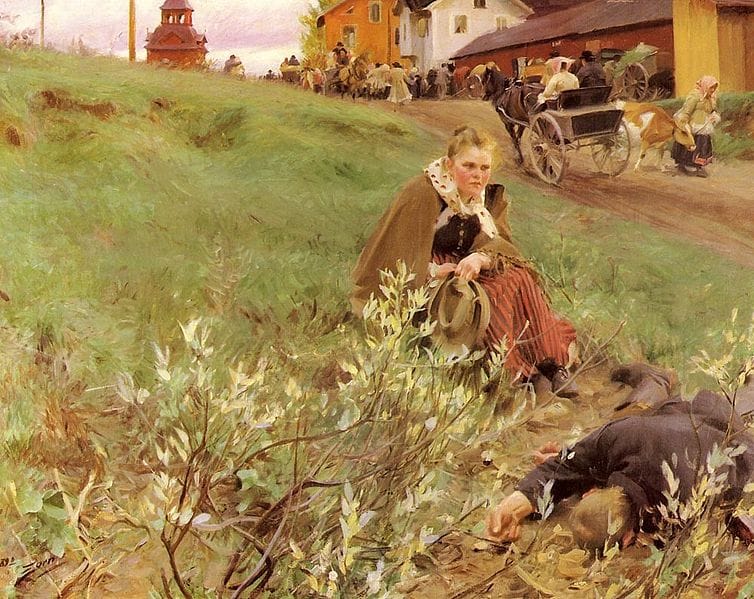
Yes, we do. Someone does...
Images above: Micrococcus luteus bacteria (copyright: NEPMET). Below it: the remnants of Tycho's Supernova, which caused a stir in 1572.