Sex Scandals


Are religious believers more prone to sex scandals than agnostics? It certainly seems that way. The last 100 years have seen many preachers and prophets brought down, too many to mention...
Ask it another way: are religious believers more tempted to bring on the Apocalypse with their sexual behavior, like Joseph Smith did, because they come to disregard earthly values? On the other hand, are agnostics more likely to lapse into celibacy and eunuchhood, like some say Herman Melville did, because they don't believe in Heaven at all? Is there a middle way for the married?
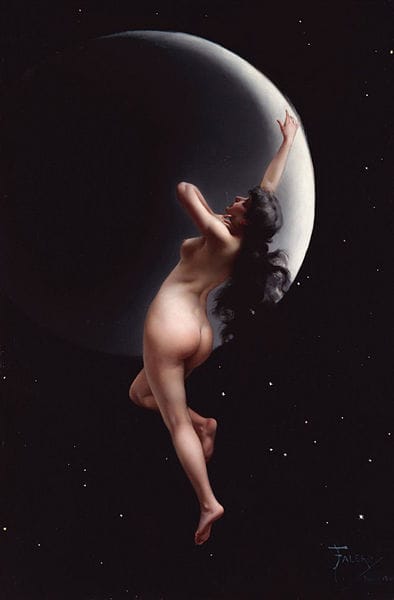
I have dealt with sexual fables generally (here) and with celibacy and eunuchhood specifically (here), but Melville touches on this in his enormous (unreadable) poem Clarel (published 1876). It has four main sections: Jerusalem, The Wilderness, Mar Saba and Bethlehem. In Mar Saba, he is asking why rush to Heaven if there's no sex to be had:
Love feminine! Can Eve be riven
From sex, and disengaged retain
Its charm? Think this—then may ye feign
The perfumed rose shall keep its bloom
Cut off from sustenance of loam.
(Mar Saba: The Recoil)
Can we pretend with a perfumed rose? That is about all Clarel finds at the austere monastery of Mar Saba, near Bethlehem:
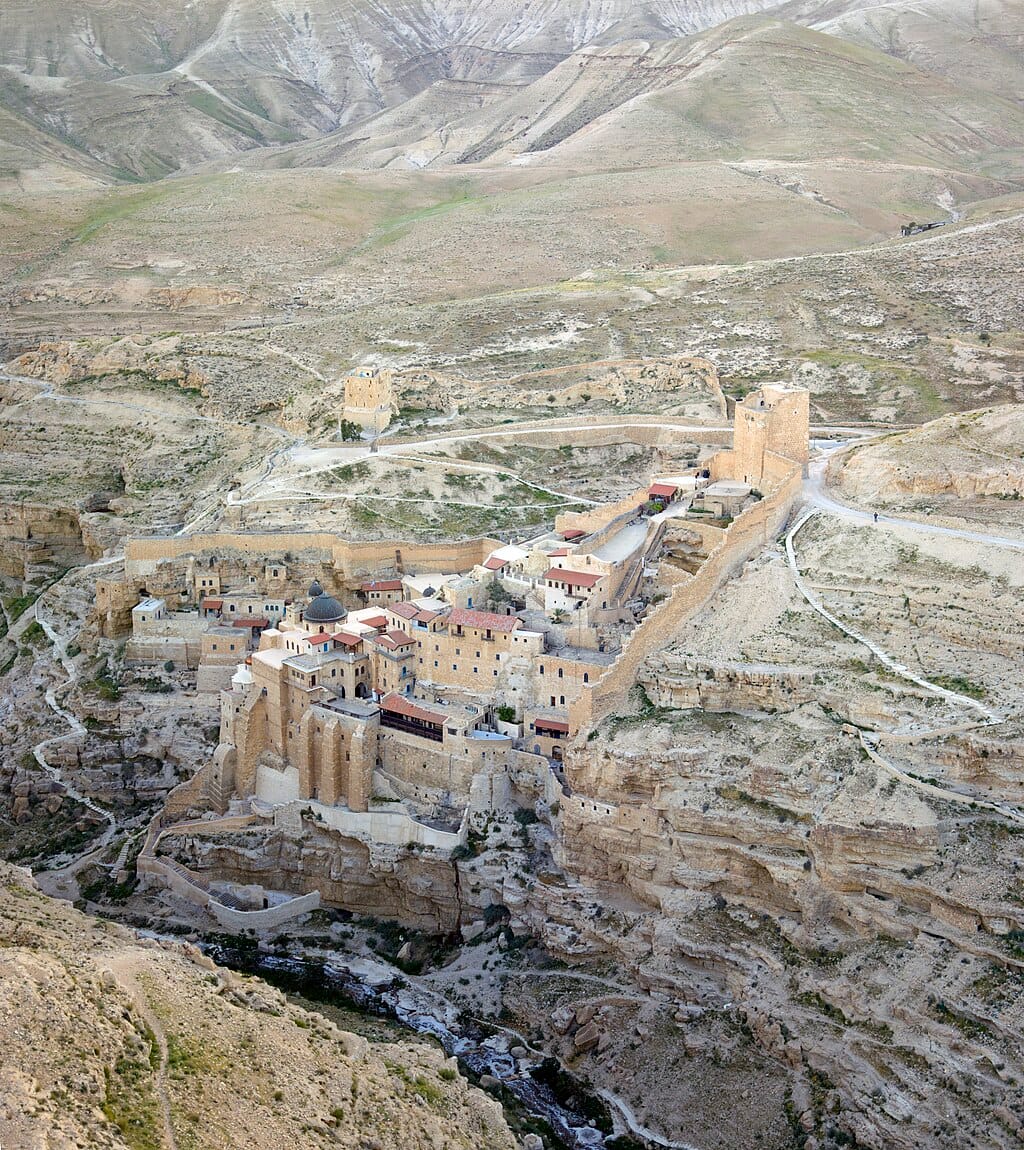
So Heaven isn't going to work but then neither is earthly love... In the final section, in Bethlehem, Ruth, a young Jewish woman whom he has fallen in love with, dies, and the poem ends in frustration as celibacy slides into eunuchhood.
I wouldn't be the first person to say the poem is about the failure of religious thinking as much as it is about sexual failure, but it doesn't strike me as autobiographical so much as a complex Romantic meditation on human existence and the need for love. I agree with those who say it anticipates Eliot's The Waste Land and Four Quartets, but what I like about it is what I like about all Melville's works: diving into them is like diving into a library. I cannot say that about Joseph Smith.